Vet Clinic Opening Hours
Mon–Fri: 7:30AM–6:30PM
Sat: 8AM–2PM
Vet Clinic Opening Hours
Mon–Fri: 7:30AM–6:30PM
Sat: 8AM–2PM
Welcome to The Ark Animal Hospital’s new website!
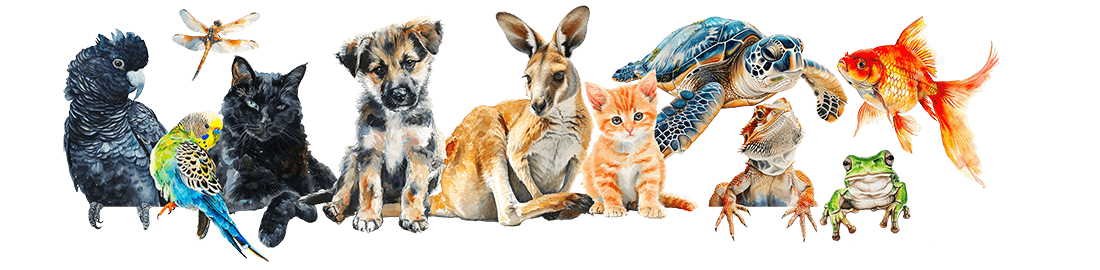
One of the joys of working as a vet in the Northern Territory is the vast amount of wildlife I get to treat and see. One of my most common and favourite patients are orphaned agile wallabies. These poor little guys have lost their mothers usually as a result of a car accident. Often they come in with breaks and bruises of their own which may require a surgery to fix. They have a sweet nature and are very friendly but they are also fighters and on the whole are committed to staying alive.
Despite being tough little guys the amount of care they need is significant especially when they’re very young. It requires a lot of time and specialised skills to successfully rear a joey. They also require special foods and a lot of attention. It is a big commitment.
All orphaned wallabies need to be vaccinated against tetanus. Wallabies are very sensitive to tetanus. If they get it they almost certainly are going to die from it. It is an awful way to die. Early on they salivate, twitch and have difficulty swallowing. They then have severe spasms and seizures and eventually die.
The organism that causes tetanus lives is in the soil. Joeys get their protection against diseases like tetanus from the milk their mother gives them. If they loose their mother and her milk they loose their protection too. Joeys should be vaccinated before they go outside.
Orphaned wallabies should be vaccinated as soon as they have a competent immune system – about the same time as they get hair. – before that they should stay in their pouch. They require a second booster one month after the first. If they are still in care they require an annual booster but hopefully by then they will be back in the wild where they are supposed to be.